
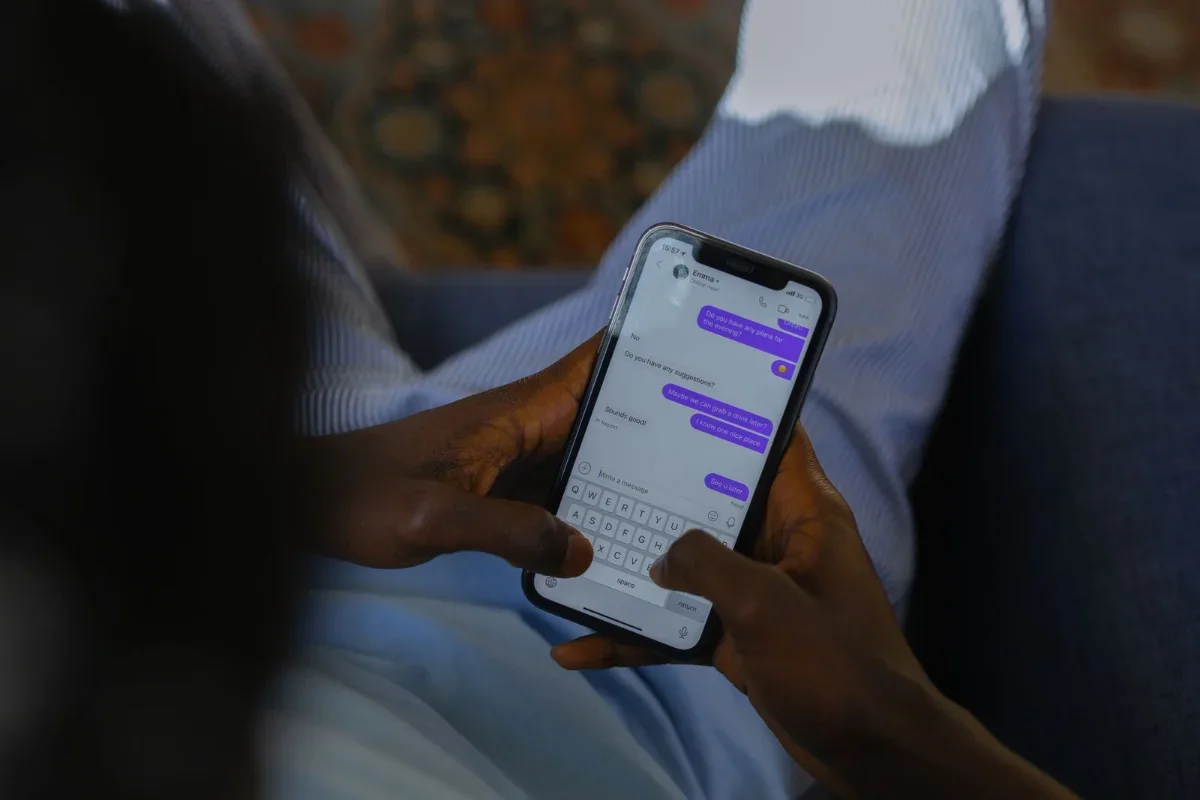
In a world of social media and messaging apps, plain text messages might seem old-fashioned. Yet SMS remains one of the most reliable ways to reach people in Uganda. It works on every mobile phone, needs no internet connection, does not depend on algorithms deciding who sees your message, and is usually read within minutes. Schools use it to notify parents about fees and results, SACCOs to confirm deposits, clinics to remind patients of appointments, churches to announce events, and shops to promote offers. This guide explains how bulk SMS works, how businesses use it, what it costs and how to do it responsibly and effectively.
What is bulk SMS?
Bulk SMS is the sending of text messages to many recipients at once through an SMS platform, rather than typing them individually on a phone. Businesses use a web dashboard to upload contact lists and send messages, or connect their software to an SMS gateway through an API so that messages are sent automatically, such as a payment confirmation when a customer pays. SMS providers connect to mobile networks, delivering messages to MTN, Airtel and other subscribers.
Types of bulk SMS
Transactional messages are triggered by customer actions or account events: payment confirmations, receipts, one-time passwords, appointment reminders, delivery updates and balance alerts. These are expected and valued by customers. Promotional messages market products, offers and events. They can be effective but must respect consent and regulations, and should not be overused. Informational messages share announcements, such as school closures, meeting notices or service interruptions.
Common uses in Uganda
- Schools: fees reminders, term dates, results, visiting days and emergency notices. Our school management system integrates SMS notifications.
- SACCOs and microfinance: deposit and withdrawal confirmations, loan reminders and meeting notices.
- Clinics and hospitals: appointment reminders and results notifications.
- Retail and restaurants: promotions, loyalty rewards and new arrivals.
- Churches and associations: event announcements and fundraising updates.
- Utilities and service providers: billing reminders and outage alerts.
- Websites and apps: verification codes and alerts.
Sender IDs
A sender ID is the name that appears as the sender, such as "BAASACLOUD" instead of a random number. Branded sender IDs build trust and recognition and reduce the chance your message is mistaken for a scam. Registering a sender ID typically requires documentation about your organisation, processed by your SMS provider with the networks. Allow time for approval.
Costs
Bulk SMS is usually priced per message, with lower rates for larger volumes. A standard SMS holds 160 characters; longer messages are split into several parts and charged accordingly, and special characters or emojis can reduce the limit significantly. Keep messages concise to control costs. Compare providers on price, delivery reliability, delivery reports, support and API quality. See our SMS notifications service.
Regulations and consent
Uganda's communications regulator, the UCC, and the Data Protection and Privacy Act set expectations around unsolicited messages and use of personal data. Send promotional messages only to people who have agreed to receive them, provide a way to opt out, and respect opt-out requests promptly. Avoid buying contact lists. Keep contact data secure and use it only for the purposes customers agreed to. Irresponsible messaging damages your brand and can attract complaints and penalties.
Writing messages that work
- Identify yourself clearly, even with a sender ID.
- Get to the point in the first few words.
- Personalise with the recipient's name where possible.
- Include a clear action: call, visit, pay or reply.
- Add useful details like dates, amounts and deadlines.
- Send at sensible times; avoid early mornings and late nights.
- Do not overdo it; too many messages lead people to ignore or block you.
Example: "Dear Sarah, your child's Term 3 fees balance is UGX 450,000, due 15 Sept. Pay via School Pay code 12345. Queries: 0772XXXXXX. – St. Mary's College."
Integrating SMS with your systems
The most powerful use of SMS is automation. When integrated with your POS, school, clinic, SACCO or e-commerce system, messages are triggered automatically by events, saving staff time and ensuring consistency. Our business systems support SMS integration, and our team can connect SMS APIs to custom software.
Measuring results
Use delivery reports to monitor whether messages reach recipients, and track responses, such as calls, payments or website visits using short tracked links. Clean your contact lists regularly, removing invalid numbers.
Frequently asked questions
Can I send bulk SMS from my phone?
Sending many messages from a personal phone is slow, unreliable and may be blocked. Use a proper SMS platform.
Do SMS messages reach phones with no internet?
Yes. SMS works without internet data.


