
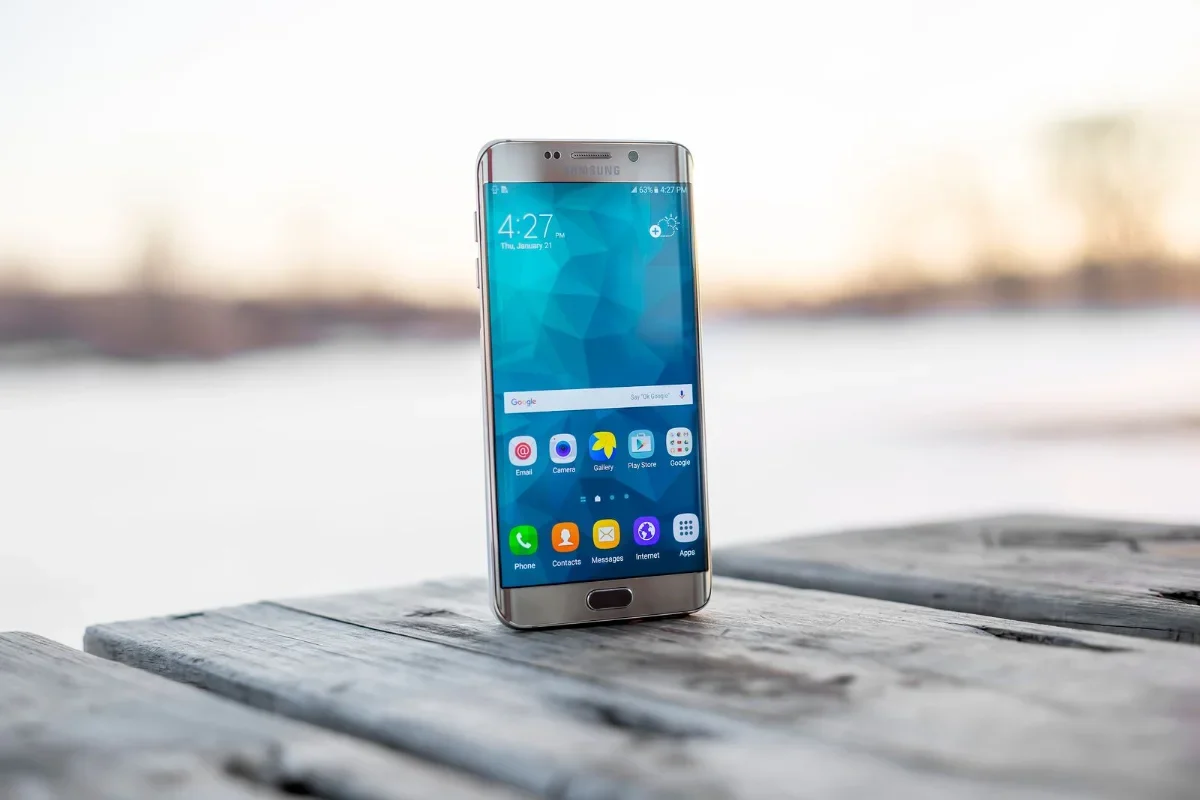
Phone theft is common in busy places like taxi parks, markets, concerts and crowded streets, and accidents happen everywhere: phones fall into water, crack beyond repair or simply stop working. The phone itself can be replaced, but what is on it often cannot. Photos of your children growing up, the only pictures from a family event, hundreds of customer contacts, WhatsApp conversations containing business orders and agreements, scanned documents and certificates can all vanish in a moment. The good news is that setting up proper backups takes about fifteen minutes, costs little or nothing, and then runs automatically in the background. This guide explains how to back up everything that matters on Android and iPhone.
Why backups matter so much
Your contacts are your network. If you run a business from your phone, as many Ugandans do, losing contacts can mean losing customers and suppliers. Photos and videos are often irreplaceable memories. WhatsApp chats may contain orders, receipts and evidence of agreements. Documents like CVs, IDs and academic certificates are needed for jobs and applications. With a good backup, a new phone can look almost exactly like your old one within an hour of setup. Without one, you start from zero.
Back up your contacts
Android
Many Android users unknowingly save contacts to the phone's internal storage or SIM card, where they are lost if the phone is stolen. Open the Contacts app and check the default save location; set it to your Google account rather than "Phone" or "SIM". Then move existing contacts saved on the phone or SIM to your Google account. Depending on your phone, this is done through Contacts settings using options like "Move contacts", "Import" or "Export to Google". To confirm it worked, open contacts.google.com on a computer and check that your contacts appear there.
iPhone
Go to Settings, [your name], iCloud and make sure Contacts is switched on. Your contacts will sync to iCloud. If you also use Gmail, you can add your Google account under Settings, Contacts, Accounts and sync contacts there too.
Avoid relying on SIM card storage. It holds a limited number of contacts, stores little information, and is lost if the SIM is damaged or stolen.
Back up photos and videos
Google Photos (Android and iPhone)
Install Google Photos and sign in with your Google account. Tap your profile picture, open Photos settings, Backup, and turn backup on. To protect your data bundles, set backup to use Wi-Fi only, so it uploads when you are connected at home, work or school. You can choose "Storage saver" quality to fit more photos in your storage allowance. Google provides 15 GB of free storage shared across Gmail, Google Drive and Google Photos; Google One plans add more if needed.
iCloud Photos (iPhone)
Go to Settings, [your name], iCloud, Photos and turn on syncing. Apple provides 5 GB free, which fills quickly with photos, so many users upgrade to an iCloud+ plan or use Google Photos alongside iCloud.
The first backup may take a while if you have years of photos, so leave the phone on Wi-Fi and charging overnight.
Back up WhatsApp
On Android, open WhatsApp and go to Settings, Chats, Chat backup. Select your Google account, set the frequency to Daily, and choose whether to include videos, which can make backups large. On iPhone, go to Settings, Chats, Chat Backup and turn on Auto Backup to iCloud. In both cases, turn on end-to-end encrypted backup so only you can read your backup, and store the password or encryption key somewhere safe; without it, the backup cannot be restored. Our guide to transferring WhatsApp to a new phone explains how to restore.
Back up documents and important files
Important documents should not live only in your phone's Downloads folder. Save your CV, certificates, scans of your National ID and passport, receipts and business files to Google Drive, OneDrive or iCloud Drive. Organise them in folders so they are easy to find when needed. If you scan documents with your phone, many scanning apps can save directly to cloud storage; see how to scan documents with your phone.
Full device backup
On Android, open Settings, Google, Backup and turn on Backup by Google One, which saves app data, call history, SMS messages, device settings and more. On iPhone, turn on iCloud Backup under Settings, your name, iCloud, or connect the phone to a computer and back it up for free using Finder on a Mac or iTunes on Windows. A full device backup makes setting up a new phone much faster.
The offline option: back up to a computer
If cloud storage is too expensive or your data is limited, use a computer. Connect your phone with a USB cable, allow file access, and copy the DCIM folder (where camera photos and videos are stored), the WhatsApp media folder and other important folders to the computer, then to an external hard drive. Do this monthly. Even if you use cloud backup, an offline copy is a valuable second layer of protection, following the 3-2-1 rule: three copies, on two types of storage, with one off-site.
A simple backup routine
- Contacts saved to your Google account or iCloud, not the SIM.
- Photos backed up automatically on Wi-Fi.
- WhatsApp backing up daily with encryption on.
- Important documents stored in a cloud drive.
- A monthly copy to a computer or external drive.
The same principle applies to your business online. Baasa Cloud hosting runs automatic daily backups of websites, so your online presence is protected too.
Frequently asked questions
Is my data safe in the cloud?
Major providers use strong security. Protect your account with a strong, unique password and two-factor authentication, which is the most important step you can take.
Will backup use a lot of data?
The first backup can be large. Set backups to Wi-Fi only, and subsequent backups will only upload new items.


