
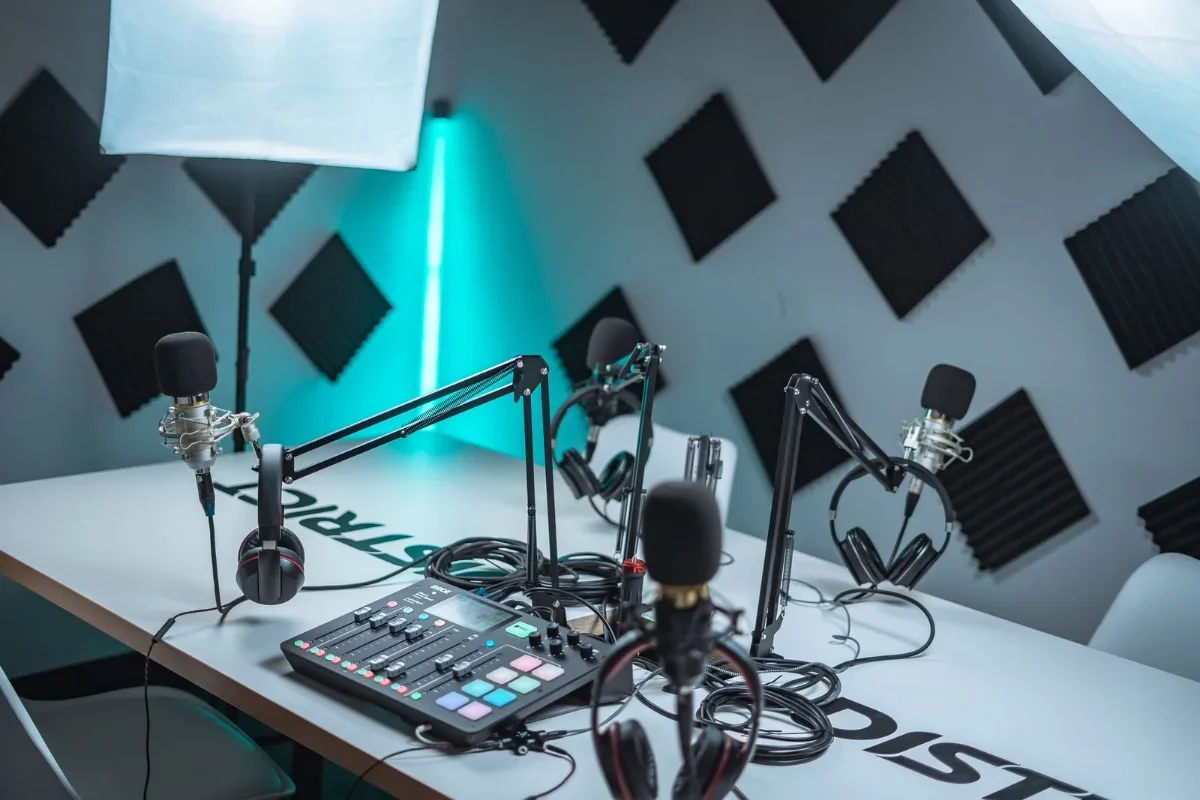
Podcasts, audio and video shows that people listen to on demand, have grown steadily in Uganda. Listeners tune in during commutes in Kampala traffic, while working, exercising or doing chores. Ugandan podcasts now cover business and entrepreneurship, relationships, faith, comedy, sports, politics, technology, health and personal stories. For individuals, podcasts build influence and personal brands. For businesses and organisations, they build authority and deep relationships with audiences. Starting a podcast is relatively inexpensive, but producing one that people return to requires planning. This guide covers the essentials.
Step 1: Define your concept
Start with clear answers to a few questions. Who is your audience, and what do they want? What will your show offer that others do not? What format will it take: solo commentary, two co-hosts in conversation, interviews with guests, panel discussions or storytelling? How long will episodes be, and how often will you publish? A focused concept, such as "conversations with Ugandan founders about their first five years", attracts a more loyal audience than a vague one.
Step 2: Choose your name and branding
Pick a memorable, easy-to-spell name that hints at your topic. Create cover art that remains readable as a small square on phone screens. Write a short description with keywords to help people find your show.
Step 3: Get the right equipment
Audio quality is what makes or breaks a podcast. You can start simply and upgrade later. A USB microphone connected to a computer is the easiest quality upgrade for beginners. For multiple hosts or guests in the same room, an audio interface or portable recorder with several XLR microphones works well. Headphones help hosts monitor sound. For phone-only setups, lavalier microphones connected to smartphones produce surprisingly good results. Many podcasts are now also video podcasts on YouTube, so a camera or smartphone and simple lighting can expand your reach.
Step 4: Record in a good space
Room acoustics matter as much as microphones. Hard, empty rooms create echo. Record in a room with soft furnishings, curtains, carpets or cushions, and away from traffic, generators and noisy neighbours. Turn off fans. Position microphones close to speakers' mouths. Always record a short test and listen before the full session. For remote guests, tools like Riverside, Zencastr, Zoom or Google Meet can record conversations; services that record each participant locally produce better quality and are less affected by unstable internet, which is helpful in Uganda. See tips for video calls on low bandwidth.
Step 5: Edit your episodes
Editing removes mistakes, long pauses and background noise, and adds intro music and transitions. Free tools include Audacity for audio and DaVinci Resolve or CapCut for video. Use only music you have rights to, such as royalty-free tracks or music you have licensed, to avoid copyright issues. Normalise audio levels so that hosts and guests sound balanced.
Step 6: Choose podcast hosting
A podcast hosting service stores your audio files and generates an RSS feed that podcast apps read. Options include Spotify for Creators, Buzzsprout, Podbean and others, some with free plans. Through your host, submit your feed to Spotify, Apple Podcasts, Amazon Music and other directories. Also upload video versions to YouTube, which is a major podcast platform. Consider a podcast website on your own domain with episode pages, show notes and guest information, which helps with search visibility; see our web design services.
Step 7: Promote your podcast
Share each episode on WhatsApp status, social media and LinkedIn. Create short video clips of highlights for TikTok, Instagram Reels and YouTube Shorts, which drive discovery. Encourage guests to share episodes with their audiences. Write detailed show notes with links, which also help SEO. Ask listeners to subscribe, rate and share. Appear as a guest on other podcasts to reach their audiences.
Step 8: Be consistent
Consistency builds habits in listeners. Choose a realistic schedule and batch-record episodes in advance to avoid gaps during busy periods.
Monetising a podcast
Revenue options include sponsorships and advertising from brands targeting your audience, YouTube ad revenue for video podcasts, listener support through memberships, events and merchandise, and using the podcast to promote your own services, consulting or products. Sponsorships typically require demonstrating audience size and engagement, so track your download and listener statistics from your host and platforms.
Frequently asked questions
How much does it cost to start?
You can start with a smartphone and lavalier microphone, then invest in better equipment as you grow.
How long should episodes be?
Long enough to deliver value without padding. Many successful shows run 20 to 60 minutes.


