
For many Ugandan businesses, a power outage is not a minor inconvenience; it stops trade. The POS terminal goes dark, computers shut down, the internet router dies, CCTV stops recording, the fridge full of stock warms up and customers walk out to a competitor down the road who still has lights. Clinics cannot run equipment, schools cannot use computer labs and offices cannot serve clients. Choosing the right backup power is therefore one of the most valuable technology investments a business can make. The options, UPS units, inverters with batteries, solar systems and generators, each have different strengths, costs and limitations. This guide compares them practically so you can choose the right combination.
Option 1: UPS units for instant, short-term protection
A UPS (Uninterruptible Power Supply) provides battery backup the instant power fails, typically for minutes rather than hours. Its main job is to prevent sudden shutdowns: giving staff time to save work and shut down computers properly, keeping routers and POS systems running through brief blips, and protecting equipment from surges and voltage fluctuations. Every business with computers should have UPS protection, but a UPS alone is rarely enough for the long outages some areas experience. See how to choose a UPS.
Option 2: Inverter with batteries
An inverter system stores energy in batteries while mains power is available, then converts that stored energy into normal AC electricity when the power goes off. Good inverters switch over automatically within milliseconds, so many devices continue without interruption.
Advantages: silent operation, no fuel, no fumes, automatic switchover, low day-to-day maintenance, and safe to install indoors. Limitations: runtime depends on battery capacity, so long outages can drain the batteries if mains power does not return to recharge them; batteries need replacing every few years, although modern lithium batteries last considerably longer than traditional lead-acid ones. Best for: offices, shops, pharmacies and clinics with moderate loads such as computers, lighting, routers, POS systems, fans and small appliances.
Option 3: Solar power with a hybrid inverter
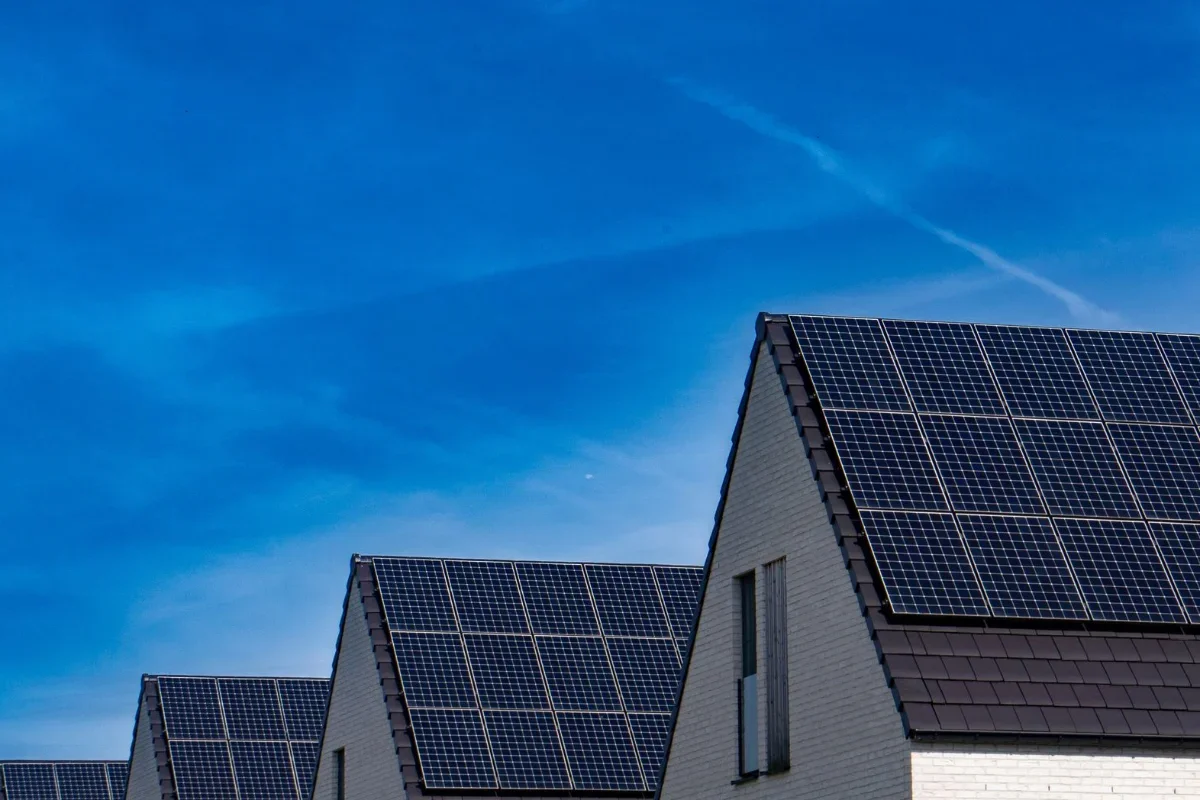
A solar system uses panels to generate electricity from sunlight, stores it in batteries and powers equipment directly during the day. A hybrid inverter intelligently combines solar, batteries and grid electricity, and some can also start a generator automatically as a last resort.
Advantages: Uganda's abundant sunshine provides free energy; solar reduces electricity bills as well as providing backup; it operates silently and cleanly; and it keeps working through long outages as long as the sun shines and batteries are sized well. Limitations: higher upfront cost; enough roof or ground space is needed; output drops on cloudy or rainy days; and installation quality varies widely between companies. Best for: businesses whose main power use is during the day, upcountry locations with unreliable grid supply, schools, health centres, hotels and lodges, and any business wanting to reduce long-term energy costs.
Option 4: Generator
A diesel or petrol generator produces electricity as long as it has fuel.
Advantages: it can power heavy loads such as air conditioners, water pumps, welding machines, kitchens and workshop equipment; it runs as long as you keep refuelling; and the upfront cost is usually lower than a large solar system. Limitations: fuel costs add up quickly with frequent outages; generators are noisy and produce fumes; they need regular servicing; fuel can be stolen; manual-start models mean a delay and someone must be present; and they are dangerous if run indoors or in enclosed spaces because of carbon monoxide. Best for: heavy loads, workshops, larger hotels and as a last-resort backup for very long outages.
Always have a qualified electrician install a proper changeover switch, manual or automatic (ATS), so the generator cannot feed power back into the grid, which can kill line workers. Never connect a generator by plugging it into a wall socket.
Comparing the options
- Silent operation: UPS, inverter and solar.
- Lowest running cost: solar, once installed.
- Heavy loads: generator, or large solar and hybrid systems.
- Instant switchover for computers: UPS or good inverter.
- Long outages: well-sized solar with sufficient batteries, or generator.
The smart approach: combine layers
Many successful businesses combine options rather than relying on one. A UPS on computers and network equipment provides instant protection and prevents data loss. An inverter or hybrid solar system carries essential loads such as lights, computers, routers, POS and fans through typical outages. A generator is reserved for heavy loads or exceptionally long outages, so it runs less often and costs less in fuel.
How to size your backup system
- List the essential devices you need during outages and their power in watts. Deliberately exclude high-power items such as kettles, heaters, irons and, ideally, air conditioners.
- Add them up to find your load, for example 800 watts.
- Estimate how many hours of backup you need, for example four hours. Multiply: 800W x 4 hours = 3,200 watt-hours (Wh) of usable battery energy.
- Account for depth of discharge. Lithium batteries can safely use more of their capacity than lead-acid batteries, which should not be drained deeply. Your installer will calculate the total battery size needed.
- Choose an inverter rated comfortably above your peak load, including startup surges from motors.
Ask a reputable installer to confirm calculations and provide a written quote listing brands, specifications and warranties.
Questions to ask installers
- Which brands of inverter, batteries and panels will you use, and what warranties apply?
- Is the inverter pure sine wave?
- Lithium or lead-acid batteries, and what lifespan should I expect?
- Can the system be expanded later?
- Does the price include surge protection, earthing and proper cabling?
- Who services the system, and how quickly do you respond to faults?
Keep your online business running too
Backup power protects your physical premises, but your website, email and customer systems should not depend on your office power at all. Host them in a professional data centre built for uptime. Learn how Baasa Cloud handles load shedding.
Frequently asked questions
Can an inverter run an air conditioner?
Large inverters can, but air conditioners drain batteries very quickly, so it is usually better to exclude them from backup.
Is solar worth it in Kampala?
For many businesses with daytime loads and frequent outages, yes. Ask a reputable installer to calculate the payback period based on your bills and usage.


