
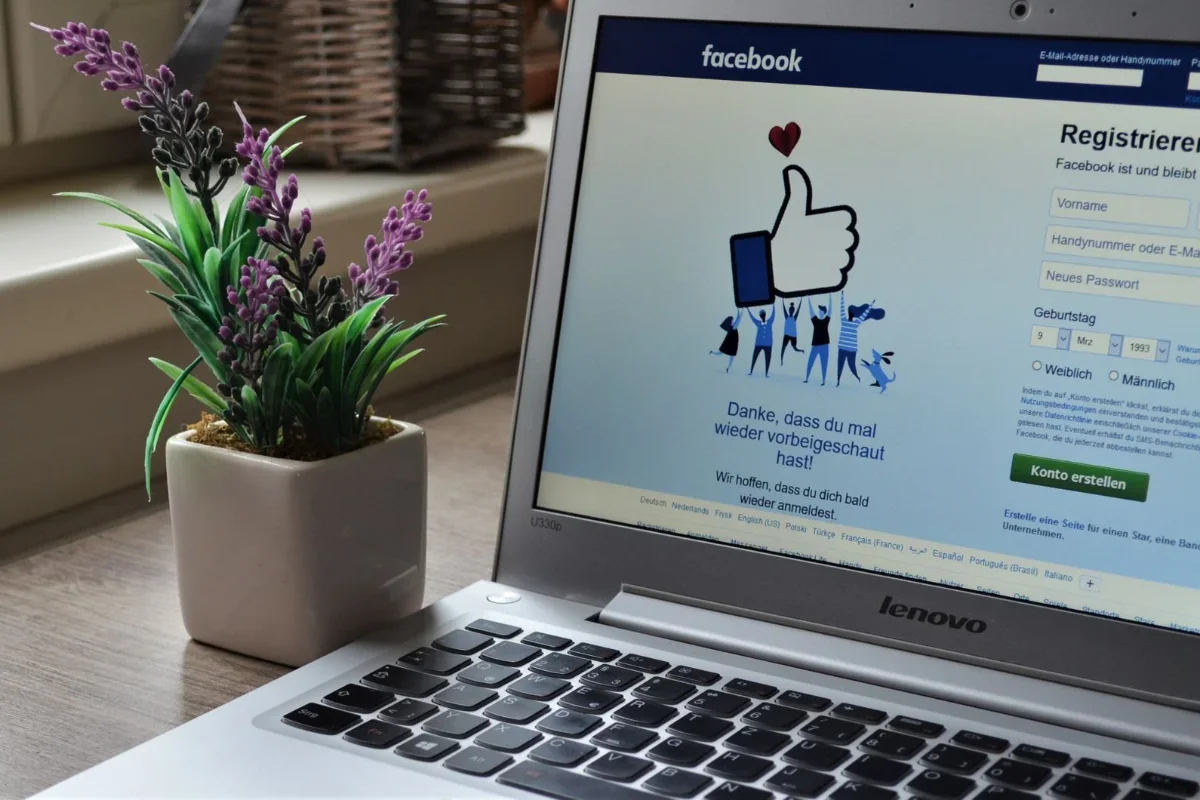
"Why do I need a website when I already have a Facebook page?" It is one of the most common questions Ugandan business owners ask. It is a fair question. Facebook, Instagram, TikTok and WhatsApp are free, familiar and where many customers spend their time. Plenty of businesses, from boutiques and restaurants to salons and hardware shops, have built loyal followings on social media alone. Yet there are important things a social media page cannot do, and serious risks in depending entirely on platforms you do not own. This article offers an honest comparison and explains why, for most businesses, the answer is to use both, each for what it does best.
What social media pages do well
They are free and quick to set up. You can create a page in minutes. They reach existing audiences. Millions of Ugandans use Facebook, Instagram and TikTok daily. They enable engagement. Comments, shares, live videos and messages build relationships and community. They support advertising. Meta's ad platform allows precise targeting by location and interests. They are good for frequent updates, such as daily offers, new stock and events.
The limitations of relying only on social media
You do not own your page
Your Facebook page exists under Meta's rules. Pages can be hacked, disabled, restricted or lose reach due to algorithm changes, sometimes without clear explanation. Ugandan businesses have lost pages with tens of thousands of followers overnight because of hacking or policy issues, with little recourse. A website on your own domain is an asset you control.
Organic reach is limited
Only a small percentage of your followers see each post unless you pay to boost it. As platforms prioritise paid content, organic reach continues to fall.
Limited visibility on Google
When people search Google for "school uniforms supplier Kampala" or "car hire Entebbe", websites with relevant, well-structured content are far more likely to appear than social media posts. Many customers searching with high purchase intent never see businesses that exist only on social media. See how to rank on Google in Uganda.
Credibility with serious clients
Corporate buyers, NGOs, government procurement officers, international partners and tourists often check for a professional website and domain email before engaging. Fairly or not, a business with only a Facebook page and a Gmail address can appear less established.
Limited functionality
Websites can host detailed service information, price lists, portfolios, booking systems, online payments, downloadable documents, customer portals and full online shops. Social media pages offer limited, platform-controlled features.
Information gets buried
Important information, such as prices, policies and directions, disappears down the feed. Customers repeatedly ask the same questions because they cannot find answers. A website organises information permanently.
What a website does well
A website gives you a permanent, owned home online; visibility in Google searches; professional credibility, especially with a matching domain email; full control over design, content and features; integration of payments, bookings and forms; and data about visitor behaviour through analytics.
Costs compared
Social media pages are free to create but often require paid boosting to reach people, plus time to manage. Websites involve costs for the domain, hosting and design, followed by modest annual renewals and maintenance. For many small businesses, a simple, well-designed website costs less per year than a few months of ad boosting, while working for them around the clock. See our hosting plans and web design packages.
The best approach: use both together
Think of social media as where you meet people and your website as your shop where serious business happens. Use social media to share content, engage followers, run ads and drive traffic to your website. Use your website to provide complete information, rank on Google, collect enquiries and process orders. Link them together: put your website link in your social media bios and posts, and add social media links and a WhatsApp button on your website. Capture contacts through your website, such as email newsletter signups and WhatsApp opt-ins, so you can reach customers even if a social platform changes.
Frequently asked questions
Is a website expensive in Uganda?
Not necessarily. Simple business websites are affordable, and costs depend on features.
Can a website replace social media?
No. They serve different purposes, and most businesses benefit from both.


